

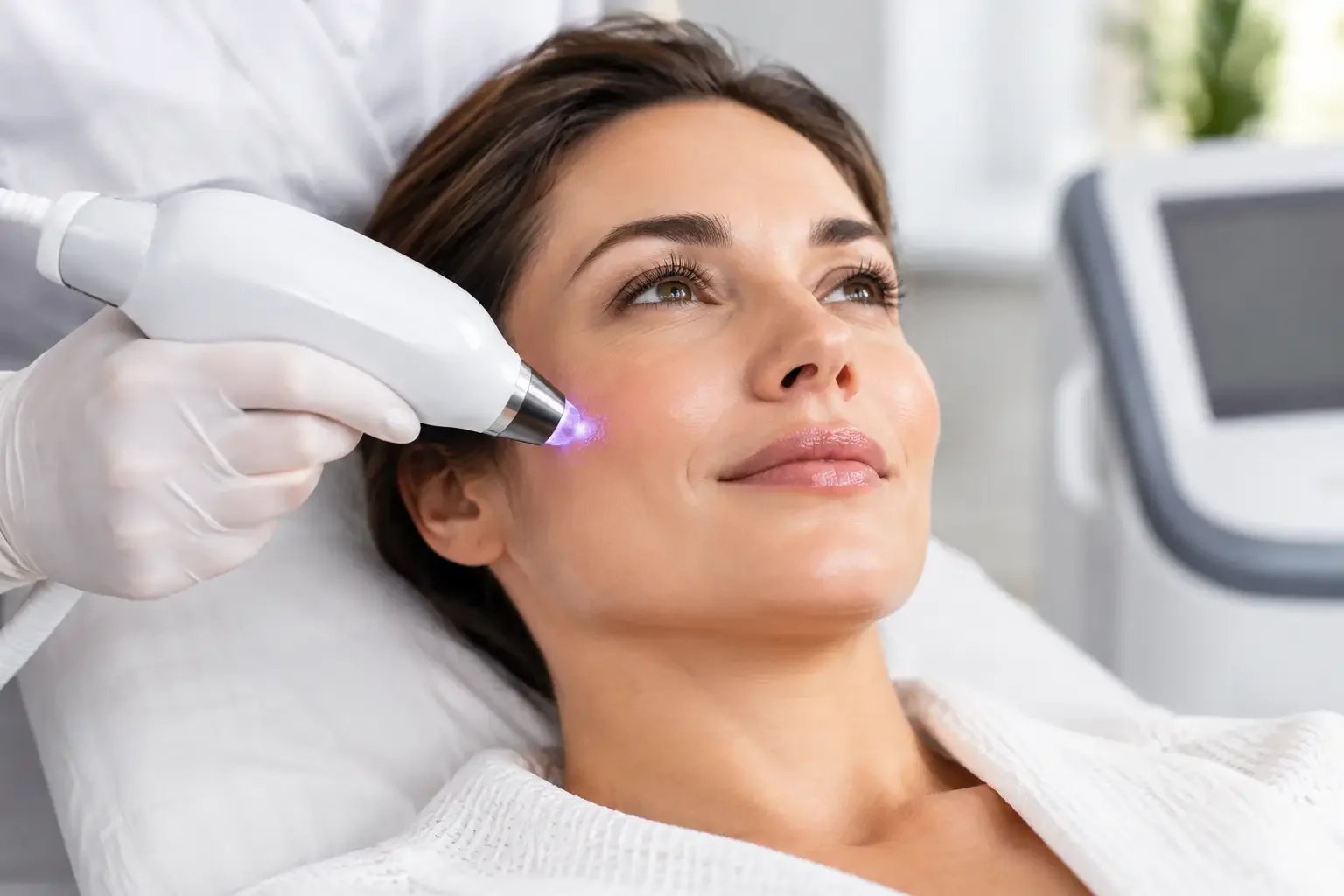
The Lake Oconee lifestyle is good for the soul, but years of sunshine, boating, golf, and outdoor time can leave their mark on the skin. Fine lines around the eyes and mouth, crepey texture, and uneven tone often become more noticeable long before a person feels ready for a major cosmetic procedure. Opus plasma treatment for wrinkles offers a medically directed resurfacing option for adults who want to refresh their skin and encourage firmer-looking texture with manageable downtime.
At Southern Laser Medical Spa + Healing Arts, we believe the right treatment begins with an honest conversation. Skin resurfacing can be highly rewarding, but the best plan depends on your skin condition, goals, schedule, and willingness to follow aftercare closely.
What Is Opus Plasma Treatment?
OPUS Plasma is a fractional skin-resurfacing treatment that uses radiofrequency energy and plasma to create tiny, controlled areas of thermal stimulation in the skin. Rather than treating the entire surface at once, the technology targets microscopic zones while leaving surrounding tissue intact. This fractional approach supports the skin's natural repair process and encourages collagen and elastin remodeling over time.
Collagen is a structural protein that helps skin look firm and smooth. As collagen production naturally slows with age and sun exposure accumulates, skin may begin to show fine lines, laxity, enlarged pores, and rougher texture. By creating controlled micro-injuries, OPUS Plasma prompts a healing response that can improve the appearance of these concerns gradually.
The treatment is often used on the face, including the forehead, cheeks, under-eye area, upper lip, and jawline. Depending on individual needs, it may also be considered for the neck, chest, hands, or areas with textural scarring. A consultation is the appropriate time to discuss which areas can be treated safely and effectively.
How Opus Plasma Treatment for Wrinkles Can Help
Wrinkles do not all respond in the same way. Fine, etched lines created by sun exposure and repetitive movement may improve differently than deeper folds caused by volume loss or significant skin laxity. OPUS Plasma is especially valued for its ability to address overall skin quality: smoother texture, softer-looking fine lines, more even tone, and a fresher appearance.
Many clients appreciate that resurfacing treats more than one visible concern at a time. A treatment plan may help improve the look of mild to moderate wrinkles while also addressing roughness, enlarged pores, acne scars, or sun-related texture changes. This makes it a thoughtful option for someone who does not want a result that looks overdone or disconnected from the rest of their face.
That said, treatment is not a substitute for surgery, fillers, or neuromodulators when those options are better suited to a concern. Deep expression lines may benefit from a combined aesthetic plan. Pronounced sagging generally requires a different approach than surface-level aging. A qualified provider can explain the trade-offs clearly and help you decide whether OPUS Plasma fits your priorities.
What the Appointment Feels Like
Your provider begins by reviewing your health history, current skincare routine, prior aesthetic treatments, and goals. This step matters. Certain medications, active skin conditions, recent sun exposure, and a history of pigment changes or cold sores can affect whether treatment should be postponed or adjusted.
A topical numbing cream is typically used before treatment to improve comfort. During the procedure, clients commonly describe a warm, prickling sensation as the handpiece moves across the skin. Settings can be personalized based on the area being treated, the condition of the skin, and the desired level of correction.
Appointments are usually efficient, though timing varies by treatment area and whether numbing is needed. Following the procedure, the skin may look pink or red and feel warm, similar to a sunburn. Some swelling can occur, particularly around the eyes. These effects are expected and generally temporary, but your provider will explain what is normal for your specific treatment level.
Recovery: Plan for Healing, Not Hiding
One reason clients ask about OPUS Plasma is that it can offer meaningful resurfacing without the extended recovery associated with more aggressive approaches. Still, “minimal downtime” does not mean “no downtime.” Your skin needs time and care to heal well.
For the first day or two, redness, warmth, and mild swelling are common. In the days that follow, tiny darkened dots, bronzing, dryness, or light flaking may appear as the skin renews itself. Some people are comfortable returning to regular activities quickly, while others prefer to schedule treatment before a quieter week, a long weekend, or an event-free period.
Aftercare usually includes gentle cleansing, a recommended moisturizer or healing product, diligent sunscreen use, and avoiding picking or exfoliating flakes. Sun protection is especially important in central Georgia, where even brief daily exposure can affect healing and pigment. Your provider may also advise pausing retinoids, exfoliating acids, and certain active skincare products for a period of time.
Avoid assuming that a social-media recovery timeline will match your own. Skin type, treatment settings, the area treated, and your aftercare habits all influence the experience. A medically supervised practice should give you clear instructions and a way to ask questions during recovery.
When Will You See Results?
Some clients notice a brighter, smoother look once the initial redness and flaking settle. The deeper changes from collagen remodeling take more patience. Improvements can continue to develop for several weeks and, in some cases, months after a treatment.
Most people benefit from a series rather than expecting one appointment to correct every concern. The number of treatments depends on the depth of wrinkles, degree of sun damage, scar texture, skin tolerance, and desired outcome. Conservative treatment settings and a series may be appropriate for one person, while another may be a candidate for a more intensive approach with additional recovery time.
Results also last longer when they are supported by good daily habits. Broad-spectrum sunscreen, medical-grade skincare, hydration, and a realistic maintenance schedule all matter. No resurfacing treatment can stop natural aging or replace consistent sun protection.
Who May Be a Good Candidate?
Adults who are bothered by fine lines, crepey texture, mild laxity, uneven tone, or acne scarring may be good candidates for OPUS Plasma. It can be appealing for women and men who want clinically guided skin renewal without committing to surgery or a lengthy absence from work and family life.
The ideal candidate is also willing to protect the skin after treatment and to be patient with the renewal process. It may not be the right choice during pregnancy, with certain active infections or inflammatory skin conditions, after recent tanning, or when a medical history calls for added caution. A consultation should always come before a treatment recommendation.
It is also wise to share every product and medication you use, including supplements and over-the-counter acne treatments. This allows your provider to plan safely and reduce avoidable irritation or healing complications.
A Personalized Plan Makes the Difference
The technology is only one part of a successful result. Thoughtful treatment planning considers your facial anatomy, lifestyle, upcoming events, skin sensitivity, and long-term goals. For some clients, OPUS Plasma can stand on its own as a series. For others, it may complement customized facials, Hydrafacial treatments, chemical peels, medical-grade skincare, or other services chosen at the right time.
There is value in receiving care from a local team that knows your treatment history and can help you build a realistic plan instead of chasing a one-time trend. Whether your goal is softer lipstick lines, smoother cheeks, or a more rested overall appearance, you deserve guidance that respects both your comfort and your skin.
If wrinkles and texture changes have begun to distract from how confident you feel, schedule a consultation to talk through your options. A careful assessment can help you choose a treatment path that supports healthier-looking skin while fitting the life you are already living.